
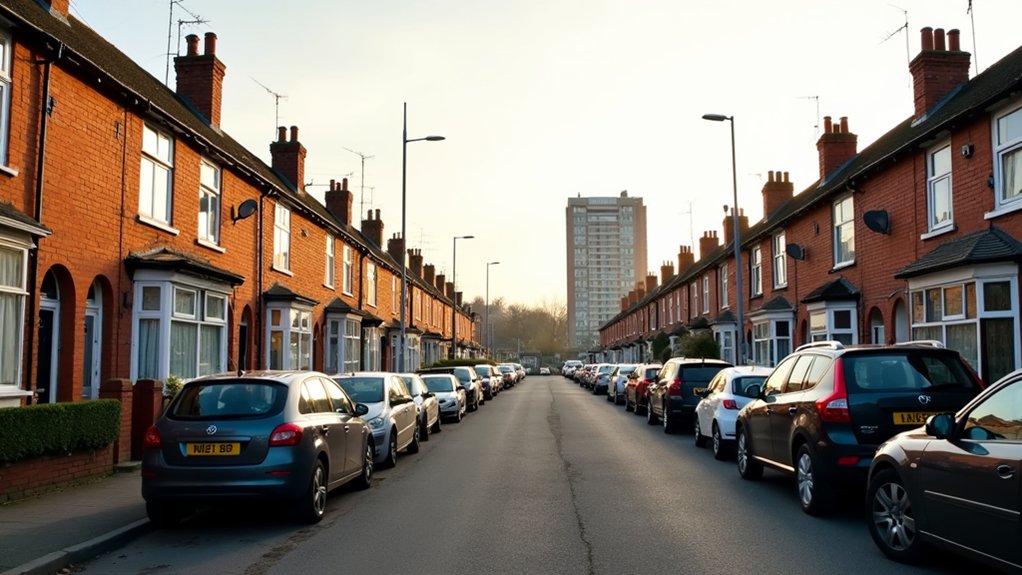

If you’re weighing Kent buy-to-let options, Gillingham still gives you room to buy at a lower entry price while targeting 5%–7% yields, with occasional outliers on the right stock. You’ll find steady tenant demand from commuters and value-driven households, helped by direct rail links and ongoing regeneration around key corridors. But the numbers only work if you match area, unit type, and compliance costs—so where should you start?
Key Takeaways
- Gillingham offers a lower entry price than other Kent commuter towns, with better value per square foot and broad housing stock.
- Typical gross yields sit around 5%–7%, with 6%–8%+ possible on well-bought terraces and flats near transport.
- Regeneration around the town centre, station corridor, and waterfront is boosting desirability, narrowing rental gaps, and supporting demand growth.
- Strong tenant demand comes from commuters, key workers, and young renters seeking walkable rail links, fast broadband, and efficient 1–2 bed homes.
- Profitability depends on stress-testing rents against mortgage rates, voids, licensing, management, insurance, and EPC upgrade costs.
Gillingham Property Prices: Why It’s Still Affordable

While much of Kent has seen sharp price growth, Gillingham still gives you a lower entry point without forcing a compromise on rental demand. You’ll typically find better value per square foot than nearby commuter hotspots, especially on terraced stock and purpose-built flats close to stations and employment nodes.
Affordability holds because supply is broader, with consistent new-build delivery plus older streets of solid, mortgageable homes. You can target properties needing light refurbishment—kitchens, bathrooms, EPC upgrades—then protect your margin without overcapitalising.
Look for walkable catchments to rail, town-centre retail, and the waterfront regeneration zone, where buyer competition can be weaker. Historical architecture supports long-term desirability, while Cultural festivals help sustain local footfall and tenant appeal year-round.
Buy-to-Let Yields in Gillingham: Current Ranges
Because purchase prices stay comparatively low, Gillingham’s buy-to-let yields often land in the mid-to-high single digits: expect roughly 5%–7% gross** on many standard lets, with 6%–8%+ achievable on well-bought terraced houses and compact flats near stations and key employers—then benchmark your deal by stress-testing rent** against mortgage rates, service charges, and realistic voids rather than relying on headline yield alone.
To tighten the range, run a net-yield model: allow 8%–12% for Property management, maintenance, licensing, insurance, and compliance. If you’re buying leasehold, bake in ground rent, service charge inflation, and sinking funds.
Your investment strategies should also factor refinancing risk and EPC upgrades; even a small capex plan can protect rentability and reduce longer voids. Finally, compare achieved rents (not asking) and keep a buffer for repairs.
Who Rents in Gillingham (and Why)
If you’re underwriting a Gillingham let, you’ll typically rent to three core groups: value-driven commuters using the Medway stations for London links, local hospital/education/defence staff who want predictable tenancies close to work, and younger renters or small families priced out of buying in nearby Kent hotspots.
You’ll see commuters prioritise walkable transport and fast internet, so 1–2 beds with good EPCs and low bills let quickest.
Key workers often trade a slightly higher rent for stability, parking, and simple renewals—ideal for minimising voids.
Younger renters respond to flexible furnishing, bike storage, and social spend on local cuisine and cultural festivals, which supports steady demand in peak seasons.
Price your rent to sit just below competing stock and budget for light refreshes between lets.
Best Areas in Gillingham for Tenants
Where do tenants actually want to live in Gillingham? Start with the town centre around the High Street and station approach for year-round demand: one-bed flats let fast to singles and couples, and voids stay low if you keep specs modern and bills predictable.
For higher rents, target waterfront regeneration at Chatham Maritime and nearby Riverside blocks, where you can position Luxury apartments with parking, lifts, and balconies to capture professional budgets.
If you want steadier occupancy, buy near the university campus at Medway; Student accommodation-style HMOs and compact studios work well when you prioritise safety, broadband, and durable finishes.
For family lets, look to Twydall and Darland edges: gardens, schools, and quieter streets support longer tenancies and lower churn.
Gillingham Trains to London: Times and Costs

If you’re pitching Gillingham to London commuters, you’ve got to quantify peak vs off-peak journey times and how they shape tenant demand.
Compare peak and off-peak ticket prices on the key routes into London and calculate what regular travel costs look like across a month.
Then factor in Railcards and season-ticket options so you can show tenants—and yourself—where the real savings sit and how that supports rentability.
Peak Vs Off-Peak Times
Although commute costs can nibble at tenant budgets, peak vs off-peak pricing on Gillingham–London routes often decides how “affordable” the area feels in day-to-day terms.
If you target 9–5 professionals, they’ll usually travel in peak windows, so you’ll need rents that absorb higher weekday train spend without stressing take-home pay.
If you cater to hybrids, shift workers, or students, off-peak travel becomes a selling point: they can ride later, pay less, and still reach London reliably. That flexibility can widen your applicant pool and support steadier letting during Seasonal occupancy lulls.
Watch timetable patterns and local employer start times, because small Pricing fluctuations between shoulders of peak and true off-peak can change perceived value and reduce churn in competitive blocks.
Ticket Costs And Railcards
Peak and off-peak windows set the baseline, but ticket choice and railcard eligibility often make the bigger difference to what a tenant can really afford each month on Gillingham–London runs.
If you’re marketing to commuters, price the rail budget realistically: anytime day returns can bite, while off-peak returns and advance singles usually lower the average cost per trip if travel days are fixed.
Encourage tenants to compare weekly versus monthly season tickets, since frequent travel typically flips the maths in favour of a season and supports stronger rent tolerance.
Push Ticket discounts via railcard benefits: 16–25, 26–30, Two Together, and Network Railcard can cut eligible fares by around a third, improving net disposable income and reducing arrears risk.
What Rents Fastest in Gillingham?
To keep voids low in Gillingham, you’ll typically rent out well-presented one- and two-bed flats fastest, especially when you price them to meet local wage levels.
You’ll also see strong, steady demand for 2–3 bed family homes within easy walking distance of reputable schools, where tenants tend to stay longer and reduce turnover costs.
If you’re targeting commuters, prioritise rentals near Gillingham station with practical layouts and secure parking or bike storage, as these often let quickly at the sharp end of achievable yields.
High-Demand Flat Types
Because tenant demand in Gillingham tracks commuter convenience and budget, smaller, well-located flats tend to let fastest—especially modern 1-bed and compact 2-bed units near Gillingham Station, the town centre, and the Medway Hospital corridor.
You’ll minimise voids by targeting clean, low-maintenance blocks with secure entry, lifts where relevant, and allocated parking or easy permit options.
Open-plan kitchen/living layouts, EPC C+ ratings, and reliable broadband help you justify sharper rents and reduce negotiation.
Aim for neutral décor, hardwearing floors, and a proper desk nook for hybrid workers.
Luxury apartments can rent well if service charges don’t crush your net yield, so stress-test them.
Historic conversions also move quickly when you’ve checked soundproofing, heating efficiency, and lease terms.
Family Homes Near Schools
When you target school catchments, you’ll find 3-bed semis and terraces let quickest in Gillingham—especially homes within an easy walk of reputable primaries and strong secondaries, with a safe route, a small garden, and off-street parking.
To keep voids low, you should prioritise neutral décor, durable flooring, and a practical kitchen-diner, then price slightly below the top of the local comparables to trigger multiple applications.
Families pay for storage: a loft, built-in cupboards, and a shed boost rentability.
Choose a School catchment with consistent Ofsted performance and check planned admissions changes.
You’ll also let faster near community amenities such as parks, GP surgeries, supermarkets, and leisure centres, because these cut daily costs and reduce churn.
Keep pets policy flexible where possible.
Commuter-Friendly Rentals Near Station
Family houses near strong schools keep your voids low, but station-led demand in Gillingham can fill a calendar even faster if you buy for commuters.
Focus on 1–2 bed flats or compact terraces within a 10–12 minute walk of Gillingham station; tenants pay for time savings and predictable trains. Price to hit the market sweet spot, then offer fast broadband, secure bike storage, and a simple furnishings pack to speed decisions.
Keep layouts low-maintenance and prioritise EPC upgrades that protect rentability. You’ll rent quickest when you market lifestyle too: highlight weekday grab-and-go local cuisine near the high street and easy outdoor activities along the Riverside Country Park and Capstone Farm trails.
Aim for longer tenancies with renewals.
Gillingham Regeneration: What’s Changing and Where
Although Gillingham still trades at a discount to many Kent commuter towns, regeneration is steadily shifting where tenants want to live—and where landlords can protect yields while improving tenant quality.
Track the town centre and waterfront push: better public environment, new retail and workspaces, and upgraded pedestrian links are tightening the rental gap between older streets and “walk-to-everything” pockets.
Focus searches around the station-to-high-street spine, where cafés, local art, and regular community events lift evening footfall and reduce voids.
Watch the dockside and riverside edges too: newer blocks attract professional sharers and young couples who’ll pay for secure parking and gyms.
Infill schemes near main bus routes can also outperform, because tenants prioritise reliable connections over postcode prestige now.
Gillingham Landlord Costs: Licensing, EPC, Insurance

Because headline yields can vanish once compliance and running costs kick in, you’ll want to price Gillingham rentals with Medway licensing fees, EPC upgrade spend, and landlord insurance premiums baked in from day one.
Check whether your property falls under any selective or HMO scheme and budget the application, renewal, and inspection-ready works (alarms, fire doors, waste storage).
Don’t ignore EPC: if you’re sitting at E or D, model capex for insulation, heating controls, or a boiler upgrade so you can meet tightening landlord regulations without a void.
Insurance isn’t optional—factor buildings, landlord liability, and rent guarantee if your tenant profile is higher risk.
Finally, add property management fees, compliance certificates, and contingency, then stress-test net yield against one month’s vacancy.
Frequently Asked Questions
How Do Gillingham Schools Compare for Families Considering Rental Demand?
Strong schools spur steady спрос: you’ll find mixed School rankings, with a few standouts boosting family lets. You’ll attract renters by prioritising catchments, checking Ofsted, and weighing Educational facilities, transport, and admissions competition.
What Are Typical Service Charges for Flats in Gillingham Developments?
You’ll typically pay £1,200–£2,400 per year in service charges for Gillingham flats, covering Building maintenance and Property management fees. Newer blocks can run higher with lifts/gyms, impacting net yield and cashflow.
Are There Flood-Risk Zones in Gillingham That Affect Insurance Premiums?
Yes—you’ll find Flood risk zones near the River Medway and low-lying creek areas in Gillingham, and they can raise insurance premiums. You should check Environment Agency maps, factor higher costs, and price rents accordingly.
How Do HMO Rules Differ From Standard Lets in Gillingham?
In Gillingham, HMOs require HMO licensing, stricter fire safety, room standards, and waste provisions; standard lets usually don’t. You’ll handle heavier tenancy management, more inspections, and higher compliance costs, but rents can boost yields.
What Are the Best Local Letting Agents in Gillingham for First-Time Landlords?
You’ll do best with local Medway agents offering full Property management and rigorous tenant screening: look at Wards, Robinson Michael & Jackson (Maidstone/Medway), RedDoor Homes, or Purplebricks+local management. Compare fees, void reduction metrics, arrears handling.