
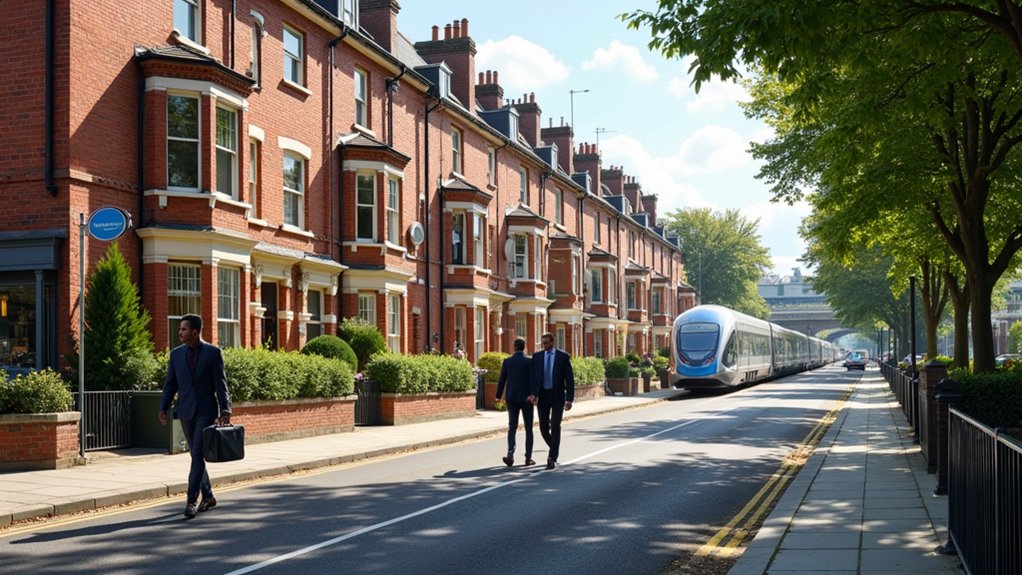

If you’re weighing Wimbledon for buy-to-let, you’re really pricing in commuter demand, walkable station access, and low-void resilience. You’ll often see the best risk-adjusted returns in modern, well-managed flats within a 7–12 minute walk of Wimbledon or South Wimbledon, where tenants pay for speed and convenience. But your ROI depends on micro-area selection, service charges, and rent sensitivity—so where should you actually target first?
Key Takeaways
- Wimbledon rents track wider London, but prime streets and station-adjacent homes often secure stronger, more stable returns.
- Fast, predictable commutes to Central London sustain demand from young professionals, families, and downsizers, supporting longer tenancies.
- Best yields often come from modern one- and two-bed flats priced below houses, especially with efficient layouts and low capex needs.
- Low-void areas sit within a 7–12 minute walk of Wimbledon, South Wimbledon, and Wimbledon Park/Southfields stations and amenities.
- Underwrite for consistent net cashflow by stress-testing interest rates and budgeting voids, service charges, insurance, and maintenance.
Wimbledon Buy-To-Let Rents and Yields (What to Expect)

So what should you expect from Wimbledon as a buy-to-let market? You’ll typically see rents tracking broader London pricing, with prime streets commanding a premium and smaller flats often delivering stronger gross yields than larger family houses.
Expect yield ranges to vary by micro-location, condition, and lease terms, so you’ll need to underwrite each deal on net income, not headline rent.
Build buffers for market fluctuation: stress-test interest rates, allow for voids, and model service charges, insurance, and maintenance. Your ROI improves when you target efficient layouts, low capex, and properties that won’t need constant refurb.
Use investment strategies like buying slightly off-prime, negotiating on tired stock, and fixing financing early. Then benchmark rent monthly and reprice renewals quickly to protect income.
Why Wimbledon Rental Demand Stays Strong
Because Wimbledon sits at the intersection of fast commuting, strong local amenities, and limited “good stock,” rental demand stays resilient even when wider London cools. You’re tapping into a tenant pool that values predictable journey times to Central London, so void risk tends to stay low and pricing power holds up.
You also benefit from a broad demand mix: young professionals, relocating families, and downsizers who still rent while they test the market. That diversity smooths seasonality and reduces reliance on any single employer cycle.
Add respected schools, parks, cafés, and a safe, walkable high street, and tenants pay a premium to stay put. The community vibe supports longer tenancies, which cuts re-letting costs and protects net yield. For ROI, stability beats spikes.
Best Wimbledon Property Types for Investors
Strong demand gives you pricing power, but your returns still hinge on buying the right unit type for Wimbledon’s tenant mix.
For yield, target modern one- and two-bed flats that price below family houses yet rent strongly to young professionals; keep service charges and ground rent tight so net cashflow holds up.
For stability, well-laid-out three-bed houses can reduce turnover, but you’ll trade higher entry costs for steadier tenancy length.
If you’re chasing premium rents, luxury apartments near amenities can work, provided you underwrite higher void-risk and stricter tenant referencing.
Avoid awkward studios unless they’re genuinely high-spec.
Consider compliant HMOs only if management is scalable.
Student accommodations can deliver strong term-time occupancy, but stress-test summer demand and licensing.
Focus on layout, EPC, and maintenance.
Where to Buy in Wimbledon (Low-Void Micro-Areas)
While Wimbledon’s headline demand looks broad, your void risk drops fastest when you buy in micro-areas with repeatable tenant pull—walk-to-station streets around Wimbledon Town Centre (District/Thameslink), South Wimbledon (Northern line), and the Wimbledon Park/Southfields pocket for the District line.
Prioritise a 7–12 minute walk radius: it protects rent during softer markets and widens your tenant pool.
In Town Centre, target modern flats near The Broadway for strong local amenities and all-day footfall, which supports premium rents.
In South Wimbledon, look for well-managed blocks close to the station and supermarkets; yields often price better than SW19 core.
Around Wimbledon Park, buy near green space plus predictable transportation options; corporate commuters and sharers renew more.
Avoid fringe streets lacking buses and shops.
Frequently Asked Questions
What Are the Typical Landlord Costs and Taxes for Wimbledon Buy-To-Let Properties?
You’ll typically pay mortgage interest, service charges/ground rent, insurance, Property management fees (8–15%), Maintenance costs (5–10% rent), letting/legal fees, EPC checks, plus income tax on profits and 3% SDLT surcharge.
Do I Need a Licence to Rent Out a Property in Wimbledon?
Yes—you might; picture your let like a door needing the right key. Check Merton’s selective or HMO licensing rules. Track Rental market trends, and follow property management tips to avoid fines and protect ROI.
How Long Does the Conveyancing Process Usually Take for Wimbledon Purchases?
You’ll usually complete Wimbledon conveyancing in 8–12 weeks. Your Conveyancing timeline shortens with cash buys and ready searches; chains extend it. Track the Property transfer process milestones to protect ROI and avoid costly delays.
What Tenant Referencing Checks Are Recommended for Wimbledon Landlords?
Like a lock on your yield, you’ll run tenant screening: ID/right-to-rent, credit score, income affordability, employer and landlord refs, bank statements, fraud checks. Tight referencing procedures cut arrears, voids, and protect ROI.
Are There Upcoming Transport or Regeneration Projects That Could Affect Wimbledon Values?
Yes—planned transport upgrades and regeneration initiatives can shift Wimbledon values. You’ll want to track Crossrail 2 consultations, station-area public spaces, and council-led redevelopment, because improved connectivity and amenities typically lift rents and resale demand.