


You’re buying lifestyle, yet you’re underwriting scarcity. In Harrogate’s prime market, limited new build supply and heritage-heavy stock keep pricing firm even when wider sentiment softens. You can still find value if you target the right streets, match the property to the dominant buyer pool, and stress-test costs like renovation, planning risk, and resale liquidity. The question is which areas and price bands still offer upside without overpaying…
Key Takeaways
- Harrogate’s luxury market shows long-term stability from persistent demand and scarce prime stock, especially in conservation-led central areas.
- Top schools, transport links, and lifestyle amenities sustain high-end buyer interest from relocators, entrepreneurs, and downsizers.
- Tight supply is reinforced by limited land, heritage planning constraints, off-market deals, and low turnover in prestige neighbourhoods like The Duchy.
- Turnkey quality commands a premium; EPC strength, modern kitchens and bathrooms, and sound build integrity reduce discounts and speed sales.
- Strong stability requires rigorous due diligence on period restrictions, leases, boundaries, and drainage, plus budget buffers for stamp duty and maintenance.
Harrogate Luxury Property Market 2026: The Snapshot
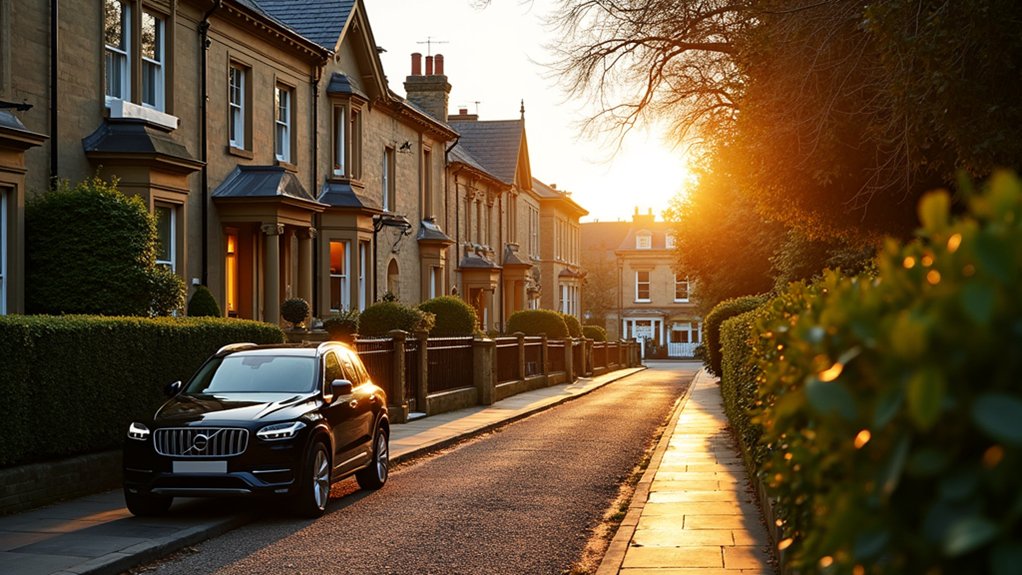
While national housing headlines stay noisy, Harrogate’s luxury segment in 2026 looks defined by tight stock, buyer selectiveness, and a clear premium for turnkey quality. You’ll see best-in-class homes win because they minimise capex and shorten time-to-enjoy.
Expect pricing to hinge on EPC performance, modern kitchens/baths, and proven build integrity, with survey outcomes driving swift renegotiations when defects surface.
If you’re buying, you’ll need decisive funding, clean chains, and a clear brief on location, privacy, and parking.
If you’re selling, you’ll protect value by presenting Harrogate heritage features flawlessly while upgrading the parts that date fastest.
Treat luxury landscaping as an ROI lever: lighting, drainage, and year-round structure signal care and justify the premium quickly.
Why Harrogate Luxury Property Stays Resilient
You’ll see Harrogate’s luxury market hold up because demand drivers stay consistent—top schools, strong transport links, and lifestyle pull keep qualified buyers in the funnel.
You’re also competing for scarce prime stock, so best-in-class homes price firmer and transact faster when wider sentiment wobbles.
If you’re underwriting ROI, you can lean on solid rental fundamentals—high-earning tenants, limited premium lets, and steady yields that support values.
Enduring Demand Drivers
Because Harrogate combines scarcity with year-round lifestyle pull, its prime market doesn’t rely on short-lived hype to hold value. You’re buying into consistent occupier demand from professionals relocating for Leeds links, entrepreneurs wanting a polished base, and downsizers trading space for convenience without sacrificing quality.
You also benefit from luxury amenities that support price resilience: spa culture, high-spec gyms, premium dining, and boutique retail that keep affluent buyers engaged beyond peak seasons.
Cultural influences matter for rental velocity and resale depth too—festivals, heritage architecture, and a strong arts calendar widen the buyer pool and reduce time on market.
Add strong schools, low-crime perceptions, and walkable green space, and you get stable demand that underwrites both capital growth and dependable yields.
Scarce Prime Housing Stock
Three structural constraints keep Harrogate’s prime values resilient: limited central land, strict planning around conservation areas and heritage streetscapes, and a tight pipeline of true “turnkey” stock. You can’t underwrite mass new supply here, so scarcity supports pricing even when broader markets soften.
When you target the best addresses, you’re buying into a controlled environment where extensions, façades, and tree lines face approvals that slow competitors. That friction protects downside risk and keeps comparable sales tight.
You’ll also find that properties offering Exclusive amenities—walkable spa access, private parking, south-facing gardens—trade faster and discount less. Prioritise assets with Modern renovations already completed to avoid cost overruns and planning delays. Your ROI improves when capex is de-risked and resale appeal is immediate.
Strong Rental Market Fundamentals
Even if sales volumes dip, Harrogate’s prime rentals keep absorbing quality stock, which stabilises values and shortens your hold risk. You can target corporate relocations, NHS consultants, and school-driven lets who prioritise proximity, parking, and turnkey finish.
That demand supports tighter voids and steadier cashflow when buyers pause.
To defend pricing, you’ll need Luxury amenities tenants will pay for: high-spec kitchens, fibre broadband, EV charging, secure storage, and landscaped outdoor space.
Price against comparable executive lets, then stress-test at 90–92% occupancy to gauge downside.
In many prime pockets, Rental yields won’t match northern student markets, but you’ll trade headline yield for lower arrears, longer tenancies, and stronger re-letting speed, keeping total return resilient.
Why Luxury Homes for Sale in Harrogate Are Scarce
While demand for prime addresses in Harrogate keeps climbing, the supply of true luxury homes stays tight, and that imbalance is exactly why premium listings feel scarce. You’re competing for a small, owner-occupied stock where sellers don’t need to move, so turnover stays low and pricing power remains strong.
Planning limits, conservation rules, and protected streetscapes restrict new high-end builds, especially around luxury suburban pockets and historic estates that can’t be replicated at scale. When properties do come up, many trade quietly via off-market networks, reducing visible inventory.
You’ll also see fewer “value-add” opportunities because top homes already carry upgraded kitchens, energy efficiency, and landscaped grounds, leaving limited upside unless you pay for extension rights. That scarcity underpins long-term capital resilience.
Best Harrogate Prime Areas for Luxury Buyers
A handful of Harrogate neighbourhoods consistently deliver the best mix of prestige, liquidity, and long-term value, so you’ll want to target areas where limited plots, strong school catchments, and walkable amenities keep demand durable.
For classic neighborhood prestige, prioritise The Duchy and parts of Harlow Moor: leafy streets, conservation feel, and reliable buyer depth reduce exit risk. If you want town-centre convenience without sacrificing quality, focus on the Crescent, Valley Gardens edges, and cold-bath-road side streets, where luxury amenities, dining, and the Turkish Baths are minutes away.
For family-driven resilience, shortlist Rossett and Oatlands, especially near top-rated primaries, parks, and commuter routes. Always check plot constraints, parking, and extension potential—scarcity plus deliverable upgrades supports strong long-run returns.
Harrogate Luxury Home Prices in 2026 (By Band)
Once you’ve narrowed your search to Harrogate’s strongest prime pockets, you’ll want to anchor decisions to 2026 price bands so you can underwrite entry cost, upgrade spend, and exit liquidity.
In 2026, you’ll typically see four workable bands. £900k–£1.3m buys larger terraces and smaller detached homes; your ROI hinges on layout efficiency and parking.
£1.3m–£2.0m captures prime detached stock where luxury amenities (gym space, wine storage, home office suites) start to price in.
£2.0m–£3.5m covers statement period homes; you’ll pay more per sq ft for frontage, gardens, and privacy.
Above £3.5m you’re in scarcity pricing, where market trends matter most: days-on-market, buyer depth, and comparable closings.
How to Buy Harrogate Luxury Property Well (Strategy + Pitfalls)

Start by setting a smart budget that includes stamp duty, refurbishment, running costs, and an exit plan, so your yield and resale upside still pencil out.
You’ll protect ROI by stress-testing borrowing rates, comparing recent sold prices (not asking), and pricing in time-to-sell for Harrogate’s premium pockets.
Avoid common traps like overpaying for “finished” interiors, ignoring restrictive covenants or flood risk, and underestimating ongoing maintenance on period homes.
Set A Smart Budget
Before you fall for a Harrogate townhouse’s finish or a Grade II listed façade, set a budget that’s built around total cost of ownership—not just the asking price. Your Budget planning should itemise SDLT, legal fees, survey tiers, and a 12–24‑month maintenance reserve. Then stress‑test rates and void periods if you’ll let it.
Model cash flow and equity upside against your target hold period, and cap refurb spend to what the street actually pays for—price per sq ft and buyer profile matter. Use investment strategies like staging purchase tranches (deposit, works, contingency), and keep liquidity for opportunistic upgrades that lift EPC, curb appeal, and rental yield.
Finally, agree your walk‑away number in writing so you don’t reprice mid‑negotiation.
Avoid Common Buying Traps
Although Harrogate’s prime stock can feel like it sells itself, you’ll protect your ROI by sidestepping the traps that quietly erode returns—overpaying off “guide” prices in sealed bids, underestimating listed‑building constraints, and missing costly red flags in leases, boundaries, drainage, and EPC.
Before you bid, pull recent sold comparables, set a walk‑away ceiling, and price in renovation contingencies and planning risk.
For period homes, confirm consent history and check for restrictions on windows, roofing, and extensions.
For apartments, scrutinise ground rent, service‑charge spikes, reserve funds, and onerous clauses; a “cheap” flat can hide major investment risks.
Commission a drainage survey and boundary check, not just a valuation.
Finally, stress‑test yields against market fluctuations and rate shocks.
Frequently Asked Questions
What Are the Ongoing Maintenance Costs for Listed Luxury Homes in Harrogate?
You’ll budget higher maintenance expenses: specialist repairs, lime mortar, sash windows, roof leadwork, and conservation approvals. Expect annual historic property upkeep at 1–3% of value, plus inspections, insurance uplift, contingency.
Are There Restrictions on Holiday Letting or Short‑Term Rentals in Prime Areas?
Yes, you’ll face constraints: Vacation rentals may need planning consent, must meet safety and licensing rules, and can trigger council tax/business rates. Short term regulations vary by postcode, so you’ll need checks before marketing.
How Do Harrogate Luxury Property Taxes Compare With London and York?
You’ll usually pay lower council tax and transaction costs on a Harrogate luxury estate than in London, and often similar or slightly higher than York. You can’t rely on tax incentives alone; model net yields.
What Are Typical Renovation Timelines and Planning Approval Rates in Harrogate?
Want a fast, ROI-safe schedule? You’ll see Property renovation take 8–16 weeks for light works, 4–9 months for major refurbs; Planning approval typically lands 8–13 weeks, with ~70–85% success if you submit strong plans.
Which Local Schools Most Influence Luxury Property Demand in Harrogate?
You’ll see demand spike near Ashville College, Harrogate Grammar School, St John Fisher Catholic High, and Rossett School; these define luxury school districts. You can price-in private education influence and Ofsted ratings to protect ROI.


