


In Dulwich, you’re not just buying a house—you’re buying school zones, land size, and low-friction weekday logistics. You’ll typically pay $1.5m to $3.5m, with the spread driven by block usability, renovation depth, and walkable access to parks and transport. Turnkey homes with regular allotments price tighter and resell faster, so your margin for error shrinks. Before you bid, you’ll want to verify one detail that can swing value quickly…
Key Takeaways
- Dulwich offers premium family living with top schools, transport access, parks, and community amenities that support strong resale demand.
- Entry-level 2–3 bedroom units/townhouses typically cost $900k–$1.3m, with relatively stable rental yields.
- Character 3–4 bedroom cottages/villas usually sell for $1.5m–$2.3m, with renovated examples achieving higher prices.
- Larger 4–5 bedroom family homes generally range from $2.2m–$3.5m, especially with luxury features and turnkey finishes.
- Value and competition rise with land size, frontage, regular blocks, and proximity to schools; use comparable sales per m² to avoid overpaying.
Is Dulwich Right for Your Family (and Budget)?
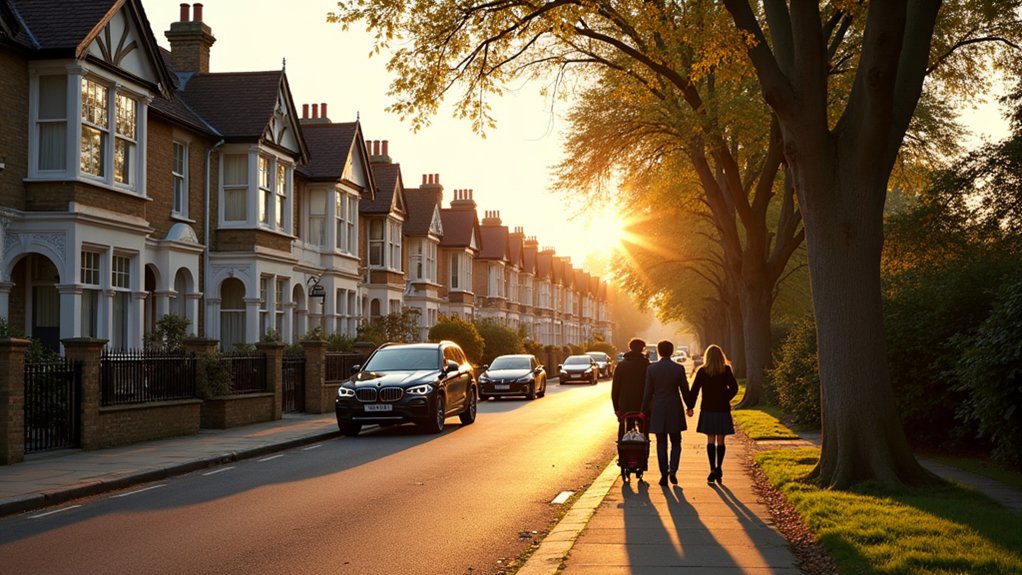
If you’re weighing up Dulwich, start by stress-testing two numbers: what you can comfortably borrow and what you’ll actually get for it. Run repayments at +2–3% above today’s rate, then add council rates, insurance, childcare, and commuting to see your true monthly burn.
Next, price the lifestyle benefits like you’d any asset. Map school catchments, walk times to local amenities, and access to parks, clinics, and shops; fewer car trips can save real dollars and time. Track weekend usage: if you’ll rely on cafes, gyms, and public transport, proximity compounds value.
Finally, check livability signals—street parking pressure, traffic, and noise—and validate demand by attending community events and scanning turnover. You’re buying stability, not just a postcode.
Dulwich Price Guide: Typical Ranges by Home Type
While Dulwich’s reputation sits firmly in the “premium family” lane, prices still move in fairly predictable bands once you sort stock by home type, land size, and renovation level.
Entry-level 2–3 bed units and townhouses typically transact around $900k–$1.3m; you’ll often get the best yield stability here if you’re rent-focused.
Character 3–4 bed cottages and villas commonly sit in the $1.5m–$2.3m bracket, with renovated examples pushing higher.
Larger 4–5 bed family homes generally land between $2.2m–$3.5m, especially when you’re paying for Luxury amenities like pools, studios, or high-spec kitchens.
Watch recent Market trends: tighter supply lifts upgraded stock fastest, so you’ll want clear comparables before bidding.
What Drives Dulwich Prices: Land, Renos, Location
You’ll usually see Dulwich prices move fastest with land size and frontage, because those features cap what you can build, extend, or subdivide and directly shape resale demand.
Renovation quality and scope then determine whether you’re paying a turnkey premium or leaving room for value-add upside in your budget.
Finally, proximity to top schools and reliable transport tightens buyer competition and supports stronger long-term capital growth.
Land Size And Frontage
Because land is the one feature you can’t manufacture later, block size and frontage do much of the heavy lifting in Dulwich pricing. You’ll typically see sharper competition once lots move beyond ~700m², because buyers can bank future flexibility: better garaging, pools, or dual living (subject to council).
A wider frontage also improves building envelope options and street presence, which translates into stronger resale demand and a tighter discount in softer markets.
Run the numbers on $/m², but don’t ignore shape and access: regular rectangles and usable side clearance outperform awkward battle-axes. Corner positions often command a premium for light and entry options.
Finally, landscaping trends and frontage aesthetics lift first-impression value; even with similar interiors, superior streetscape can shorten days on market and protect your price.
Renovation Quality And Scope
Land sets your ceiling in Dulwich, then renovation quality decides how close you’ll get to it. Buyers pay sharp premiums for turnkey homes because they avoid time risk, builder scarcity, and cost overruns.
If you’re comparing properties, price the delta between “cosmetic” and “structural”: kitchens, bathrooms, and open-plan reconfigurations typically move valuation more than paint and flooring.
You’ll get the best ROI when renovation craftsmanship is verifiable: compliant approvals, detailed specs, and consistent finishes across wet areas.
Watch the scope of upgrades—rewiring, replumbing, insulation, glazing, and roof work reduce future capex and strengthen borrowing confidence.
If the reno’s partial, discount for contingency and disruption, and budget a margin for unknowns uncovered during demolition.
Proximity To Schools Transport
Even if two homes sit on similar blocks with comparable renovations, the one closer to Dulwich’s top school catchments and the station typically commands the stronger price per square metre and sells faster.
You’ll usually see tighter buyer competition where walkability to reputable primary and secondary options cuts daily travel time and reduces reliance on second cars—both measurable savings that buyers capitalise into higher offers.
Prioritise a 10–15 minute walk radius to rail and key bus routes, and you’ll widen your resale pool to commuters and families, improving liquidity in softer markets.
Track days on market and vendor discounting: better-connected pockets typically hold firmer.
You also buy lifestyle upside—Community events, local dining, and safer evening foot traffic—signals that support long-term demand.
Dulwich Schools and Zoning: Checks Before You Bid
Before you bid in Dulwich, treat school catchments and planning/zoning constraints as numbers that can move your resale price and days-on-market. Verify the exact school zoning address-by-address, not suburb-wide; boundaries can split a street and change buyer demand. Ask the agent for the zoning map, then confirm with the education department and recent enrolment policies.
Next, audit council overlays and zoning restrictions: heritage, character, height limits, minimum lot sizes, and tree controls. These dictate whether you can extend, subdivide, add a second storey, or even alter a façade—directly affecting renovation ROI.
Run a quick feasibility check: likely buildable area, approval risk, and timeline. If constraints are tight, price in fewer upgrade options and negotiate harder on land value and condition.
Parks and Linear Park in Dulwich: Daily Lifestyle Perks
A short walk to Linear Park and Dulwich’s pocket reserves can change how often you drive, how much you use your local café strip, and—crucially—what a broad pool of family buyers will pay for your address.
When buyers can jog, push a pram, or cycle in minutes, they’ll trade up on price because you’re selling daily convenience, not just land size.
Proximity to green space also supports stronger rental appeal and shorter vacancy, especially for families prioritising weekend routines.
You’ll notice higher foot traffic to local dining options when parks anchor the daily loop, and that spillover helps keep the precinct active.
Add in community events—fun runs, weekend markets, kids’ activities—and you’re buying into repeatable lifestyle value that’s easy to explain on inspection day.
How to Buy in Dulwich When Competition Is Fierce
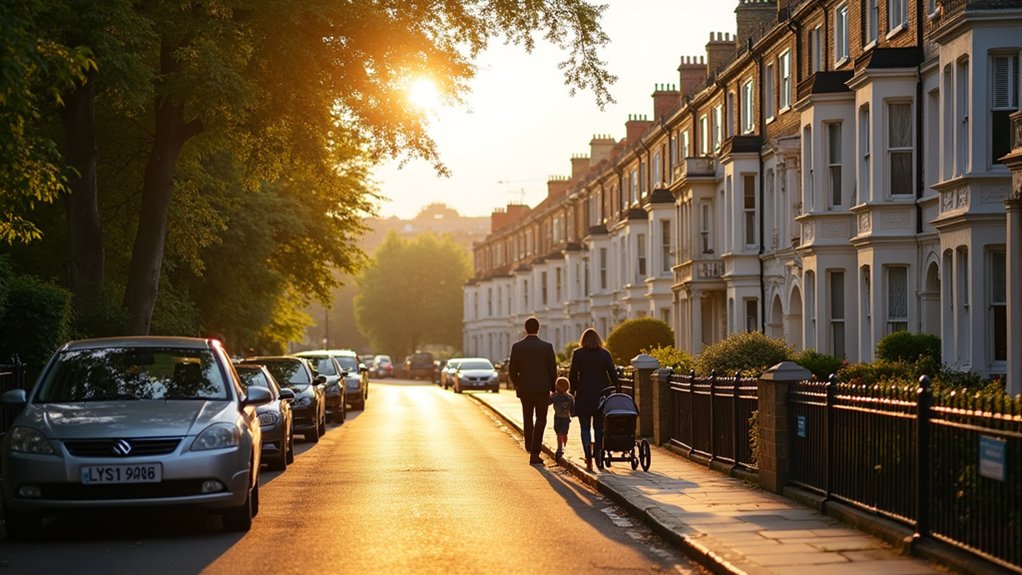
In Dulwich, you can’t afford ambiguity—lock in loan pre-approval and a hard budget so you can move within hours, not days.
When listings compress into one or two open homes, speed and certainty reduce the risk of overpaying and lift your odds of securing the right asset.
You’ll win more often by aligning offer terms and timing (price, deposit, finance, settlement) with what the vendor values most.
Pre-Approval And Budget Clarity
When listings in Dulwich attract multiple bidders and sell within days, pre-approval and a hard-edged budget turn into your biggest ROI lever because they let you bid decisively without overpaying. Start the pre-approval process early and stress-test it: confirm your max lend, rate buffers, LMI, and exact cash needed at settlement, including stamp duty, conveyancing, inspections, and moving.
Then lock in budget planning with three numbers: your walk-away price, your “ideal” price, and your renovation reserve. Use recent comparable sales to cap emotion and quantify upside—if the premium over comparable median exceeds your expected growth over 24 months, you’re diluting returns.
Keep a contingency (2–3% of price) so short-notice decisions don’t force costly finance changes.
Winning Offer And Timing
Because Dulwich homes often trade in a single weekend and attract multiple offers, you’ll win more often by controlling timing and terms—not by stretching price past your ROI ceiling.
Track new listings daily, inspect within 24 hours, and submit your best offer before the first open-home cycle ends.
Use a shorter finance clause, higher initial deposit, and flexible settlement to beat higher bids with weaker certainty.
If you need a building report, order it pre-offer and cap repair credits so you don’t reopen negotiations.
Anchor your price to comparable sales per m², then justify any premium only when luxury amenities materially lift rentability or resale.
Finally, time your search around school enrolment dates and major community events, when listings rise and competition sometimes diffuses across more stock.
Frequently Asked Questions
What Are Typical Council Rates and Strata Fees for Dulwich Properties?
You’ll typically pay council rates (property tax) around A$2,000–$3,500 yearly in Dulwich; strata fees for units run about A$600–$1,500 quarterly. Budget home insurance separately, and model yields using these operating costs.
Are There Heritage or Conservation Restrictions Affecting Renovations in Dulwich?
Yes—you’ll face Heritage preservation overlays and renovation restrictions on many Dulwich homes, especially pre-war stock. You’ll need council approvals for facades and setbacks, but compliant upgrades can cut holding risk and boost resale ROI.
How Noisy Are Flight Paths and Main Roads in Different Dulwich Pockets?
Measure twice, cut once: you’ll hear more aircraft under the northern corridor and more traffic along main arterials; quieter side streets test lower dB. Less noise boosts ROI. Wildlife encounters and local community events still thrive.
What Are Average Utility Costs for Older Versus Renovated Dulwich Homes?
You’ll typically pay £250–£400/month in older Dulwich homes versus £150–£280/month in renovated ones. Historic preservation limits upgrades; renovation permits add cost. Still, insulation and efficient boilers can deliver 10–20% ROI annually.
How Long Do Dulwich Settlements Take, and Are Rent-Back Agreements Common?
You’ll usually settle in 30–60 days; you’ll often see 45 days. Rent-backs aren’t common but do happen (~10–20%) in tight markets. Check Dulwich property history and Local school rankings—they shape timing, pricing, ROI.