


You can spend heavily on renovations, yet still miss the price your property deserves without local knowledge. Your neighborhood’s buyers often value specific layouts, materials, and craftsmanship that national trends overlook. By studying nearby sales, comparing micro-markets, and identifying practical upgrades, you can invest where returns are strongest rather than over-improving. Local expertise also helps you time the sale, present the home effectively, and choose pricing that attracts serious offers—though one overlooked street-level detail could change your entire strategy.
Key Takeaways
- Local market knowledge identifies improvements that appeal to nearby buyers without encouraging costly over-improvements.
- Accurate comparative analysis supports competitive pricing based on recent sales, property condition, craftsmanship, and current demand.
- Understanding neighborhood preferences helps prioritize valuable features, including layouts, storage, parking, outdoor spaces, and durable materials.
- Street-level and micro-market insights reveal how noise, access, zoning, development, and amenities influence property value.
- Local expertise improves timing, staging, marketing, and buyer trust, positioning the property effectively against current competition.
Why Local Knowledge Raises Property Value

Local knowledge raises your property’s value by helping you present the improvements buyers in your area actually want. You can protect your budget by studying neighborhood preferences before choosing finishes, layouts, or additions.
Historical data may reveal which features have endured, such as period millwork, durable masonry, or practical porches. Use those cues to guide renovations that respect the home’s character while improving daily function.
Cultural influences also shape expectations. Buyers may value generous kitchens for family gatherings, flexible guest space, shaded outdoor areas, or private work zones. A local craftsman can translate those needs into precise details, selecting materials that withstand your climate and suit nearby architecture.
You’ll create stronger appeal when every upgrade feels intentional rather than generic. This focused approach reduces costly overbuilding and helps you invest where craftsmanship will make the clearest difference.
Use Local Sales to Set the Right Price
You’ll set a reliable asking price by comparing recent sales of similar homes in your neighborhood.
Analyze local trends, including renovation quality, buyer demand, and days on market, to understand what your property can command.
This approach helps you price improvements fairly and avoid costly overpricing.
Compare Recent Sales
Recent sales in your area provide a practical benchmark for pricing your property, but the comparison must account for more than location. Examine homes with similar square footage, layouts, lot sizes, and construction quality.
A recently renovated kitchen, sound roofing, efficient windows, or carefully finished bathrooms can justify a higher price than a comparable home needing major work. Estimate repair costs honestly, including materials, labor, permits, and the craftsmanship required to match neighborhood standards.
Review Historical pricing for comparable properties to understand whether earlier sales reflected finished or fixer-upper conditions, not to predict broad market movement. Also verify Zoning regulations, since permitted additions, accessory units, parking, or development limits can materially affect value.
Build a short, well-matched comparison set, then adjust your asking price for each measurable difference. Your agent or appraiser can help confirm your calculations.
Analyze Neighborhood Trends
To analyze neighborhood trends, track how quickly comparable homes sell, how often prices are reduced, and whether buyers favor renovated or move-in-ready properties. Review several months of local sales rather than relying on one standout transaction. You’ll see whether careful craftsmanship, updated kitchens, efficient systems, or finished outdoor spaces consistently earn higher offers.
Note how Community events and Local amenities influence demand, especially near parks, transit, schools, and shopping. Then compare your property’s condition, materials, and layout with successful listings. If buyers reward durable renovations but overlook costly luxury finishes, target improvements that deliver measurable value.
Calculate construction costs against likely price gains before you begin. Your findings will help you set a competitive price that reflects current demand, highlights quality workmanship, and avoids overpricing features buyers aren’t willing to fund.
Identify the Features Local Buyers Want
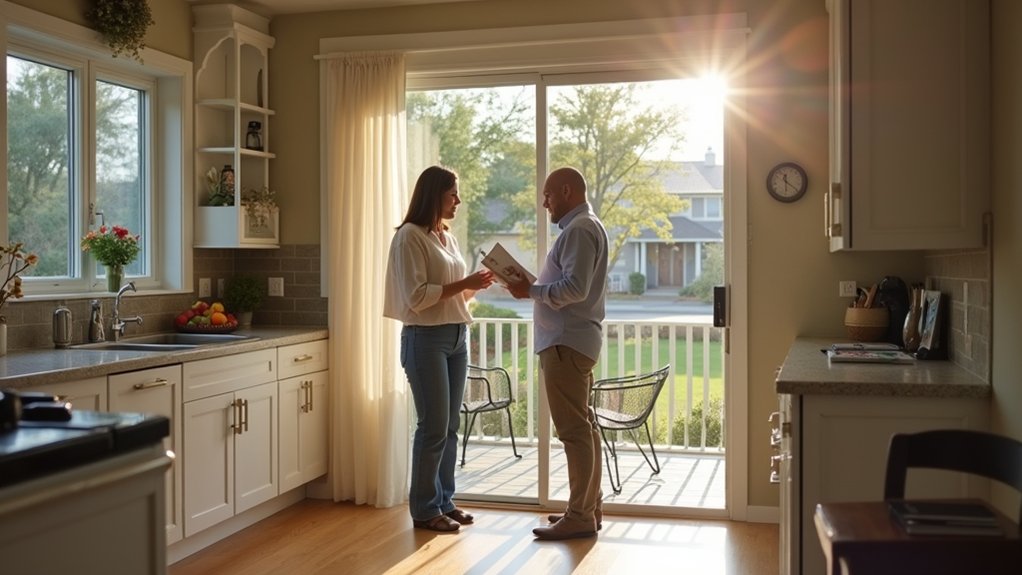
Local buyers often value practical features that suit the area’s climate, lifestyle, and housing stock. You’ll improve your property’s appeal by studying what residents actually use, then investing where craftsmanship shows.
In a rainy region, repair drainage, seal windows, and choose durable exterior materials. In a hot climate, prioritize shade, insulation, ventilation, and efficient cooling before adding decorative upgrades.
Ask local agents which kitchens, storage solutions, parking arrangements, and outdoor spaces attract serious interest. Consider Cultural preferences, too: buyers may favor flexible rooms, private entertaining areas, enclosed gardens, or particular cooking layouts.
Community amenities can influence which home features matter most, so design for convenient daily routines without overspending. Complete repairs professionally, document quality improvements, and calculate return before renovating.
You’ll earn more trust—and often a better price—when every upgrade solves a recognizable local need.
Compare Neighborhoods, Streets, and Micro-Markets
Although two homes may share a postcode, buyers can value them very differently based on the street, surrounding properties, traffic, parking, and nearby services. Compare each micro-market before you budget for renovations. A local agent can show whether buyers pay extra for quiet lanes, wider plots, finished lofts, or reliable parking.
Walk the streets at different times, noting noise, congestion, maintenance, and access for tradespeople. Study nearby sales, not just broad neighborhood averages, because one well-kept terrace can outperform a tired property around the corner.
Urban planning may reveal future roads, parks, or commercial changes, while zoning regulations can limit extensions, conversions, or external alterations. Use those findings to prioritize durable craftsmanship where it matters most, and avoid costly upgrades that won’t suit local expectations or recover their value.
Time Your Property Sale Around Local Demand
When you understand when buyers in your area are most active, you can time your sale to attract stronger offers without wasting money on rushed improvements. Study local seasonal patterns, school calendars, employment cycles, and weather before choosing your listing date.
If families typically move during summer, complete essential repairs well ahead of spring demand. Prioritize durable workmanship: fix leaks, refresh worn trim, service heating and cooling systems, and correct defects buyers may notice during inspections.
Avoid expensive upgrades that won’t match neighborhood expectations. Instead, use property staging to highlight sound construction, useful storage, and natural light.
Your pricing strategy should reflect current competition and buyer urgency, not last year’s peak. A local professional can help you compare recent sales, set realistic expectations, and schedule preparation efficiently, protecting your budget while improving appeal.
Market Your Property Through Local Buyer Channels
To reach serious buyers, market your property through the channels they already trust, such as neighborhood groups, regional property sites, community newsletters, and reputable local agents.
Show the workmanship behind your asking price with sharp photographs of joinery, restored floors, efficient kitchens, and carefully finished bathrooms.
Use Virtual tours to let distant buyers inspect layout, light, and renovation quality before arranging a viewing.
Share your listing on Social media, but target local audiences and highlight practical upgrades, including insulation, durable materials, and recent compliance work.
A concise feature sheet should explain improvements, running-cost benefits, and remaining maintenance needs without overselling.
Ask community contacts to share the listing, especially where buyers value specific streets, school areas, or transport links.
This focused exposure can attract informed offers while keeping marketing costs controlled.
Choose an Agent With Proven Local Expertise

An agent with proven local expertise can translate your renovation work into a price buyers will trust. They’ll recognize how quality cabinetry, durable flooring, energy upgrades, and careful finishing affect value in your neighborhood.
Ask how they’ve priced comparable homes and whether their recommendations reflect current buyer priorities, not generic national trends. A strong agent can separate worthwhile improvements from costly features that won’t return your investment.
Review their local reputation through recent sales, client references, and feedback from contractors or inspectors. Their community engagement also matters: agents who attend neighborhood events and understand local development can explain which changes will strengthen buyer appeal.
Choose someone who’ll document craftsmanship clearly, price strategically, and market practical benefits. You’ll avoid over-improving, protect your budget, and present your property’s work with credible local context.
Frequently Asked Questions
Can Local Knowledge Help Identify Hidden Property Defects Before Listing?
Yes, local knowledge helps you spot Hidden defects before listing. A targeted Property inspection can reveal moisture damage, outdated wiring, or structural wear, letting you budget repairs, protect craftsmanship, and avoid costly buyer negotiations.
How Do Local Regulations Affect the Timing and Process of Selling?
You’ll sell faster when you confirm zoning restrictions and building permits first. For example, an unapproved kitchen conversion might delay closing, trigger costly corrections, and require inspections before buyers trust your craftsmanship and pricing.
What Documents Are Required to Sell a Property in This Area?
You’ll need identification, proof of ownership, title deeds, planning permissions, renovation warranties, energy certificates, tax records, and required disclosures. Get a Property valuation and organize Legal documentation early to prevent costly delays during sale.
Should I Renovate Before Selling, or List the Property As-Is?
You should renovate only defects buyers notice; list as-is when upgrades won’t repay costs. Use Property staging for polish, evaluate Market timing, and prioritize craftsmanship, permits, and cost-effective improvements over expensive, personal renovations.
How Can I Handle Multiple Offers and Negotiate Favorable Contract Terms?
You can manage multiple offers through careful Offer evaluation, comparing price, contingencies, financing, timelines, and repair requests. Apply practical Negotiation strategies, protecting craftsmanship value while limiting concessions, costs, delays, and unnecessary renovation obligations.
Conclusion
When you’re preparing to sell, local knowledge becomes your compass. It helps you invest in upgrades buyers truly value, price your home against nearby sales, and showcase craftsmanship that stands out without wasting money. Your agent’s neighborhood insight can also reveal the right timing and buyer channels. Don’t renovate blindly or guess at demand. With skilled guidance, you’ll turn thoughtful improvements into competitive value—and position your property to attract stronger offers and achieve the best possible price.