


Underfloor heating can add value to your home by improving comfort, energy efficiency, and buyer appeal, but it won’t guarantee a higher sale price. Your results depend on the system’s quality, running costs, installation condition, and local demand. Wet systems often offer stronger long-term benefits, while electric systems suit smaller upgrades. Before investing, you’ll need to compare installation costs with likely resale gains—and assess which rooms and features buyers in your area actually value.
Key Takeaways
- Underfloor heating can increase home appeal by providing consistent warmth, improved comfort, and unobtrusive, modern heating.
- Energy-efficient systems may improve resale prospects, especially as buyers become more concerned about rising energy costs.
- Hydronic systems often add greater whole-home value, while electric systems are typically better suited to individual rooms.
- Installation quality, insulation, zoning, controls, maintenance records, and compatible flooring strongly influence perceived value.
- Installation costs may not be fully recovered, so compare local property demand, comparable homes, and projected energy savings.
Does Underfloor Heating Add Home Value?

Underfloor heating can add home value by improving comfort, energy efficiency, and the property’s overall appeal, although the return depends on the system type, installation quality, and local buyer demand.
You’ll usually see stronger value retention when the system is professionally designed, correctly installed, and supported by service records.
Electric systems may suit smaller areas, while hydronic systems can deliver efficient whole-home heating when paired with suitable equipment and insulation.
Historical trends show that energy-efficient upgrades tend to strengthen marketability as operating costs and sustainability concerns increase.
However, Market demand varies by region, construction standards, and buyer expectations, so you shouldn’t assume installation costs will return fully at resale.
Obtain local comparable data, confirm compliance certificates, and calculate projected energy savings before treating underfloor heating as a value-adding investment.
Why Buyers Value Underfloor Heating
Buyers value underfloor heating because you get consistent, room-wide warmth without bulky radiators.
You’ll also benefit from improved energy efficiency when the system operates at lower temperatures than conventional heating.
These practical advantages can make your home more comfortable, economical, and appealing to prospective buyers.
Enhanced Comfort
Unlike radiators that heat isolated areas, a floor-heating system distributes warmth across the entire floor surface, reducing cold spots and creating consistent room temperatures. You’ll feel comfortable from your feet upward, especially in bathrooms, bedrooms, and open-plan living spaces.
Because the system remains beneath the finished floor, you won’t need bulky radiators that restrict furniture placement or interrupt your interior design. This unobtrusive installation also gives you more usable wall space and a cleaner visual finish—features that buyers can immediately appreciate during viewings.
Reliable temperature control further supports comfort for children, older adults, and anyone sensitive to draughts. When you assess long-term ownership, protected components and minimal visible hardware can also help limit maintenance costs, strengthening the system’s practical appeal and perceived value.
Energy Efficiency Benefits
How efficiently can a heating system convert energy into usable warmth? Underfloor heating distributes heat across the floor, creating consistent temperatures at lower operating settings than many radiators. You can consequently reduce demand on your boiler or heat pump while maintaining comfort.
Lower flow temperatures particularly improve heat-pump performance, helping you use less electricity and potentially reducing running costs.
Smart thermostats add control by adjusting output according to schedules, occupancy, and room temperature. With correct zoning, you’ll heat only the spaces you use, limiting wasted energy.
Efficient insulation and accurate installation remain essential; underfloor heating can’t compensate for heat loss through poorly insulated walls, floors, or windows.
If you combine the system with Renewable energy, such as solar electricity or a heat pump, you can further reduce emissions.
Buyers value these measurable efficiency benefits because they support lower bills, comfort, and future-ready home performance.
How Efficient Is Underfloor Heating?
Underfloor heating can deliver high efficiency by distributing heat evenly across the floor, allowing you to maintain comfort at lower air temperatures. Its large radiant surface operates effectively at lower flow temperatures than many conventional radiator systems, particularly when paired with a modern condensing boiler or heat pump.
Your floor construction, insulation, room dimensions, and system type all affect performance. Hydronic systems generally suit whole-home installations, while electric mats work efficiently in smaller areas and targeted renovations.
You can improve control with Smart thermostats, which adjust operation according to occupancy, schedules, and floor or air temperature. Separate zoning options let you regulate each room independently, preventing unnecessary heating in unused spaces.
Professional design, correct pipe spacing, and thorough insulation beneath the system help maintain consistent output and responsive operation.
Can It Lower Your Energy Bills?
Yes, underfloor heating can lower your energy bills when it’s designed, insulated, and controlled correctly. Its broad, low-temperature surface distributes heat evenly, so you can often maintain comfort with a lower thermostat setting.
Good floor insulation prevents downward heat loss, while accurate controls stop the system running unnecessarily.
Smart thermostats can adjust temperatures automatically according to your schedule, weather conditions, and occupancy. You’ll gain further control through zoning options, allowing you to heat occupied rooms without wasting energy in unused areas.
Keep doors closed between zones and avoid covering heated floors with thick rugs or poorly ventilated furniture. Regularly check sensors, controls, and insulation for faults that could increase consumption.
Your actual savings depend on your home’s heat loss, operating habits, and energy tariff, so monitor usage before and after installation.
Electric or Wet: Which Adds More Value?

You’ll typically find electric heating more cost-effective to install, making it practical for single rooms or targeted upgrades.
Wet systems can deliver lower running costs and greater whole-home value when paired with an efficient boiler or heat pump.
Compare installation requirements, energy tariffs, floor coverage, and long-term performance before choosing.
Electric Heating Value
When comparing electric and wet underfloor heating, the system that adds more property value depends on your home, floor area, and buyer expectations.
Electric heating often suits flats, extensions, and individual rooms because you can install it with less disruption and lower initial cost. Thin mats or loose cable systems work beneath many floor finishes, making them practical during renovations.
Programmable thermostats and heating zones let you warm occupied areas without heating the entire property, supporting electricity savings when you use them correctly. Buyers may also value the rapid response and straightforward controls.
However, installation quality still affects perceived value: you’ll need suitable insulation, accurate floor-temperature controls, and a compliant electrical connection.
Present running costs, guarantees, and maintenance information clearly, so prospective buyers can judge the system’s efficiency rather than its installation price alone.
Wet System Benefits
Wet underfloor heating can add more value where buyers prioritise low running costs, whole-home comfort, and compatibility with efficient heat sources such as heat pumps. A wet system circulates warm water through pipes beneath the floor, distributing heat evenly at lower flow temperatures than conventional radiators. This efficiency can reduce energy demand and support a property’s long-term running-cost appeal.
You’ll also benefit from flexible zoning, improved comfort, and better integration with renewable technologies, including ground- and air-source heat pumps. However, the installation process is more disruptive and expensive than fitting electric mats. You may need floor excavation, insulation upgrades, manifold access, and boiler or heat-pump adjustments.
Consequently, a wet system usually adds greater value during new builds or major renovations, while electric heating suits smaller retrofit areas and targeted upgrades.
Which Rooms Benefit Most?
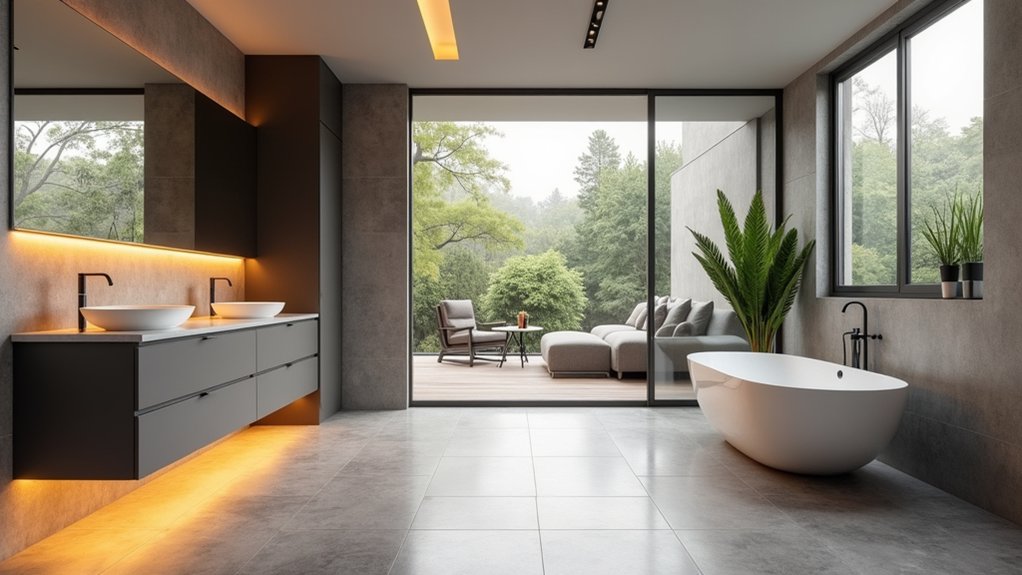
Which rooms benefit most from underfloor heating depends on heat loss, occupancy, and floor construction. You’ll usually notice the greatest improvement in bathrooms, kitchens, and open-plan living areas.
Bathrooms gain warm, dry floors during short, frequent visits, while kitchens benefit from consistent heat across tiled surfaces. In large living spaces, low-temperature radiant output can reduce cold zones and improve comfort near external walls and glazing.
Bedrooms may benefit if you prefer gentle overnight warmth, but you’ll need accurate controls to avoid overheating. Hallways and utility rooms can also gain from continuous background heat, particularly where hard flooring feels cold.
Consider insulation, room size, furniture coverage, and floor finish before choosing zones. Room-specific comfort lets you tailor temperatures, while aesthetic integration keeps emitters, radiators, and visual clutter out of sight.
How Much Does Installation Cost?
Installation costs for underfloor heating vary by system type, floor area, access, insulation, and the condition of the existing subfloor. Electric systems typically cost less to install in one room because you can fit them beneath the finished floor with limited structural work.
Hydronic systems usually cost more initially, as you’ll need pipework, a manifold, controls, and compatible heating equipment. Include subfloor preparation, insulation, floor removal, electrical upgrades, labour, and commissioning in your budget.
For an accurate Cost comparison, obtain itemised quotations based on the same specification rather than comparing headline rates.
Your installation timeline may range from one to three days for a small electric area to several weeks for whole-house hydronic work, particularly when screed drying and floor replacement are required.
Ask installers to confirm warranties, certifications, and exclusions before you commit.
What Determines Its Resale Value?
Once you’ve assessed installation costs, consider how underfloor heating may affect your property’s resale value. Buyers typically value efficient, reliable systems that improve comfort without consuming excessive energy.
Your system’s type matters: hydronic heating can appeal to buyers seeking whole-home efficiency, while electric systems may suit smaller areas but offer less impact.
Installation quality also determines value. Professional design, even heat distribution, accessible controls, and documented servicing can strengthen buyer confidence.
Insulation, zoning, and compatible flooring further influence performance and perceived value.
Historical trends show that energy-efficient features generally attract greater interest as utility costs rise, although local demand remains decisive.
Use Market comparisons to assess similar homes with and without underfloor heating.
Is It Worth Installing Before Selling?
Before selling, installing underfloor heating is worthwhile only if local buyers value it and the upgrade can recover its cost through a higher sale price or faster sale. Check comparable listings and ask an estate agent whether buyers pay more for heated floors.
Historical trends can reveal whether this feature consistently improves marketability in your area, but past performance doesn’t guarantee a return today. Evaluate market demand, property type, and competing homes before committing.
Electric systems usually install faster and suit individual rooms, while hydronic systems can offer lower running costs but require greater disruption and compatible heating equipment.
Don’t install the system solely for resale appeal if your budget is tight or the project delays listing. Instead, prioritize insulation, flooring repairs, and energy-efficiency improvements that buyers can verify and value.
Frequently Asked Questions
How Long Does Underfloor Heating Typically Take to Warm Up?
You’ll typically wait 30 minutes to three hours for underfloor heating to warm up, depending on system type, floor covering, insulation, and controls. Your Warm up time improves with insulation, supporting energy efficiency.
Can Underfloor Heating Be Installed Beneath Existing Flooring?
You can install underfloor heating beneath existing flooring, but compatibility varies. Check flooring compatibility first; tiles and stone work best. Installation challenges include lifting boards, maintaining insulation, and avoiding damage to pipes or electrical components during installation.
Is Underfloor Heating Safe for Children and Pets?
Yes, underfloor heating is safe for children and pets when you install it correctly. Use temperature controls, secure wiring, and professional testing to guarantee child safety and pet protection, preventing overheating or electrical hazards.
What Maintenance Does Underfloor Heating Require?
You’ll typically need annual checks: inspect controls, test thermostats, bleed hydronic loops, and flush systems periodically. Proper maintenance protects energy efficiency; schedule professional servicing, especially after installation costs, to catch leaks or electrical faults early.
Can Underfloor Heating Cause Furniture or Flooring Damage?
Yes, underfloor heating can cause furniture or flooring damage if you exceed temperature limits, block heat circulation, or install incompatible materials. Protect furniture safety, prevent flooring damage, follow manufacturer guidance, and use thermostatic controls.
Conclusion
Underfloor heating can add value to your home by improving comfort, efficiency, and buyer appeal—but it isn’t a guaranteed profit. Choose a professionally designed system, pair it with effective insulation, and keep installation and maintenance records. Wet systems may deliver stronger long-term efficiency, while electric systems suit smaller upgrades. Before you invest, compare local buyer demand, installation costs, and your likely selling timeline. After all, comfort underfoot can become value at the negotiating table.