
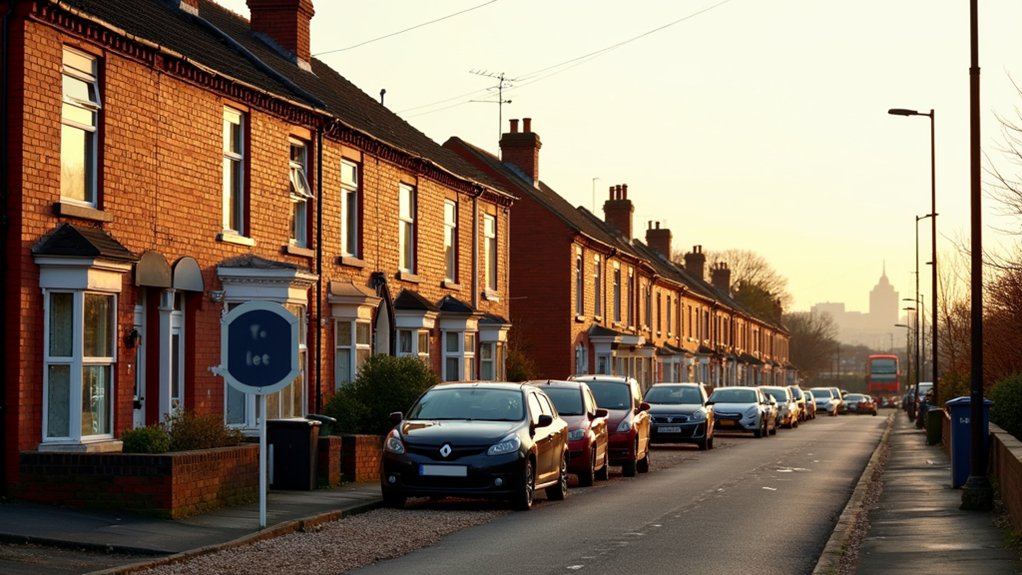

If you’re starting out in buy-to-let, Wolverhampton can give you a lower-cost entry point and quicker breakeven than bigger UK cities. You can often buy at a smaller multiple of annual rent, while demand stays steady from students, hospital staff, commuters, and families. But your ROI won’t come from averages—it’ll come from the street, the tenant type, and your stress test. So which areas actually stack up?
Key Takeaways
- Wolverhampton offers low purchase prices with resilient rental demand, helping new landlords reach breakeven faster than many larger cities.
- Gross yields can be stronger because rents hold up well against lower entry prices, improving affordability and cashflow potential.
- Prioritise high-demand renter groups: students near the University, early-career workers by transport links, and value-driven families in good-school areas.
- Stress-test deals at +2% interest rates, with 5% voids and 1% annual capex, to confirm the yield still works after costs.
- Target proven areas: City Centre/Chapel Ash for quick lets, Tettenhall/Penn for families, and Bilston/Wednesfield for value-led yield plays.
Wolverhampton Buy-to-Let: Is It Worth It?

While Wolverhampton doesn’t grab headlines like Birmingham or Manchester, the numbers can work hard for you: lower entry prices and resilient rental demand often translate into stronger gross yields and faster breakeven points for new landlords.
Your edge is Housing affordability: you can buy at a lower multiple of local rents, so your monthly cashflow has more room after mortgage, insurance, and maintenance.
Track Property market trends: focus on sold‑price bands, time on market, and rental comparables within a one‑mile radius, then stress‑test rates at +2%. You’ll want a buffer for voids (say 5% of rent) and capex (1% of property value annually).
If the deal still clears your target yield, it’s worth it.
Wolverhampton Tenant Demand and Renter Profiles
Where does Wolverhampton’s rental demand actually come from—and how should you position your buy‑to‑let to capture it? You’ll tap three core renter pools: students, early‑career workers, and value‑driven families trading space for commute time.
The University of Wolverhampton anchors Student demographics across multiple campuses, so demand clusters near transport links, supermarkets, and walkable amenities.
You’ll also see steady churn from NHS, council, and manufacturing employers, which favours clean, low‑maintenance homes and fast turnarounds.
Rental affordability matters: tenants price‑check aggressively, so you win by offering predictable bills, efficient heating, and fair specs rather than luxury finishes.
Aim for layouts that reduce void risk—two‑bed terraces for sharers or small families, and compact studios only where student footfall stays consistent year‑round.
Wolverhampton Buy-to-Let Yields, Rents, and Costs
If you use Property management, budget 10–15% of rent plus letting fees.
Self-managing saves cash but costs time and risk.
Compare Financing options carefully: higher LTV improves cash-on-cash returns, but rising rates can wipe out profit.
Use an interest-cover buffer and only proceed if net yield stays attractive.
Best Wolverhampton Areas for Buy-to-Let
Because tenant demand isn’t spread evenly across the city, you’ll get better ROI by targeting Wolverhampton neighbourhoods that align with your strategy—commuter lets near rail and key roads, family rentals around good schools and parks, or value plays close to major employers and regeneration zones.
For commuters, focus on Wolverhampton City Centre, Chapel Ash, and areas near the station/A449 where walkability and Local amenities support higher rents and faster lets.
For families, look at Tettenhall and Penn: strong school catchments, green space, and low voids typically justify steadier pricing.
For value-led yields, consider Bilston and Wednesfield, benefiting from employment corridors and ongoing regeneration, often with lower entry prices.
Wherever you buy, pick streets with strong bus links, retail, and GP access, and line up reliable Property management to keep occupancy high.
Wolverhampton Buy-to-Let Risks and Mistakes to Avoid

Picking the right Wolverhampton neighbourhood boosts rentability, but your ROI can still get hit by avoidable buy‑to‑let risks—higher voids on weak streets, hidden maintenance on older stock, and compliance costs that erode net yield.
Stress-test deals with conservative assumptions: 10%+ voids, rising service/insurance, and a repair reserve of at least 5% of rent on pre‑war terraces.
Don’t overpay off asking prices; benchmark against sold comps and local rent ceilings, then model net yield after letting fees, EPC upgrades, and safety checks.
Missed Landlord responsibilities (gas, electrics, smoke/CO alarms, deposit rules) can trigger fines that wipe out a year’s profit.
Finally, weak Property management—slow repairs, poor tenant screening, lax arrears chasing—turns a strong headline yield into a low-cashflow headache.
Frequently Asked Questions
What Mortgage Deposit Do First-Time Landlords Need for Wolverhampton Buy-To-Let?
You’ll usually need a 25% landlord deposit for a Wolverhampton buy‑to‑let—sometimes 20%, often 30% for riskier cases. Mortgage requirements typically target 125–145% rental cover, so you’ll boost ROI by stress‑testing cashflow.
Do I Need a Letting Agent, or Can I Self-Manage Locally?
You don’t need a letting agent; you can self-manage locally if you’ve got time and systems. Property management impacts ROI: agents cost ~8–15% rent. Self-manage only if you’ll track Local regulations, repairs, arrears.
Which Landlord Licences or Registrations Apply in Wolverhampton?
You’ll need a Wolverhampton selective licence in designated areas, plus mandatory HMO licensing if you meet thresholds; register with council schemes as required. Stay compliant to protect ROI, streamline Tenant screening, and budget Property maintenance.
What Taxes Will I Pay on Buy-To-Let Rental Income and Profits?
You’ll pay Income Tax on net rental profit, plus Capital Gains Tax when you sell. You’ll handle Income reporting via Self Assessment. Use Tax deductions for allowable expenses; mortgage interest relief is restricted, impacting ROI.
How Long Does a Typical Buy-To-Let Purchase Take in Wolverhampton?
You’ll typically complete a buy-to-let purchase in Wolverhampton in 8–12 weeks; cash deals can finish in 3–6. Tighten Property management planning and Investment strategies early to reduce delays and protect ROI.